
Erosion Control Pilot Study
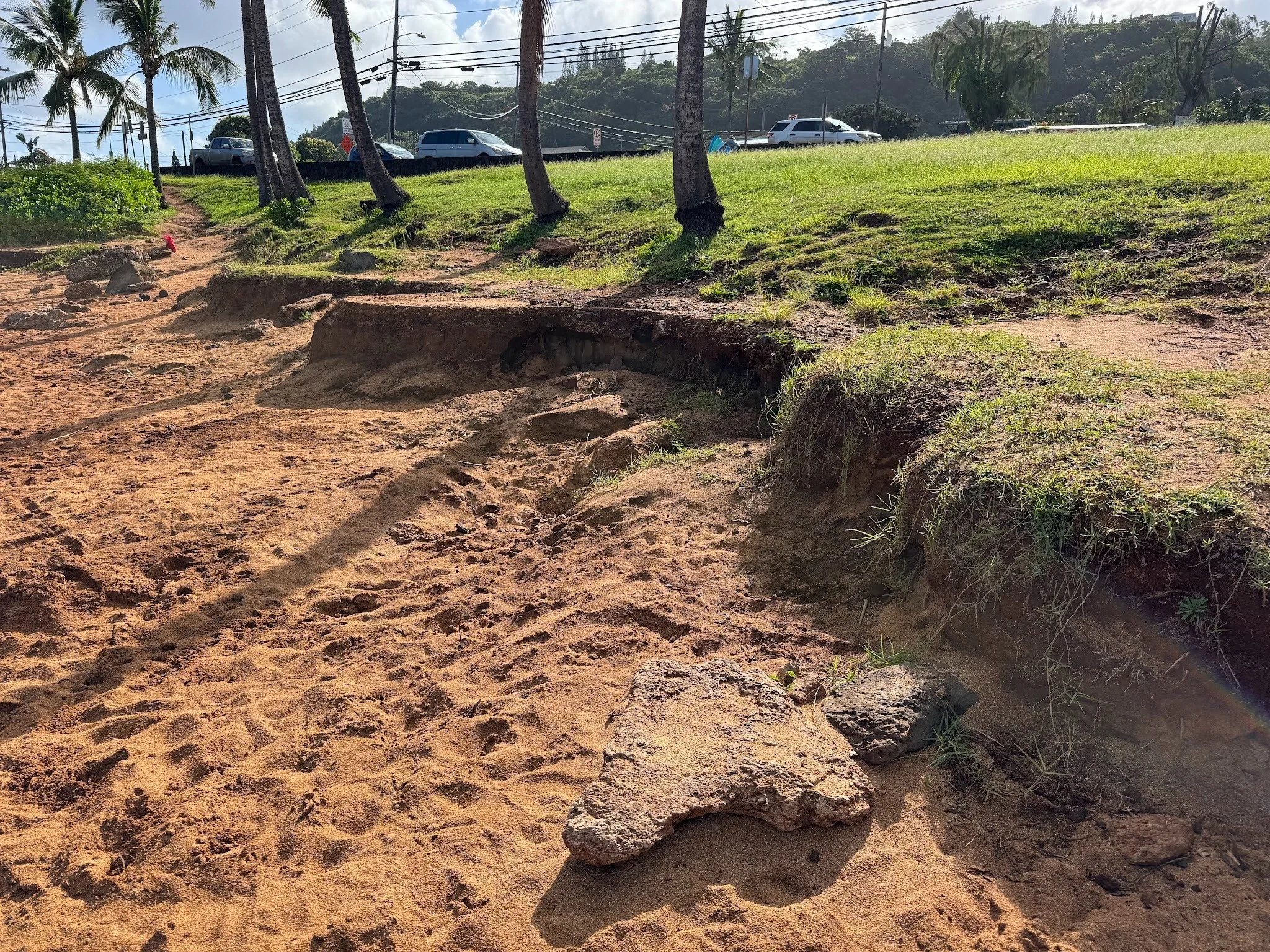
At Pūpūkea Beach Park, erosion along the coastal edge at Kapoʻo is affecting both land and ocean. Heavy foot traffic, informal pathways, exposed soil, and invasive vegetation have contributed to severe erosion and scarping above the Pūpūkea Marine Life Conservation District. This creates safety concerns for park users and increases the risk of sediment washing into the ocean when it rains. Once sediment reaches the ocean, it can cloud the water and disrupt nutrient balance, impacting coral and other marine life.
What We’re Doing:
A Small Pilot with Big Potential, Testing Solutions That Work With Nature
Mālama Pūpūkea-Waimea is launching a small-scale coastal restoration erosion-control pilot project to stabilize the slope by restoring native Hawaiian coastal plants and giving sensitive areas time to recover.
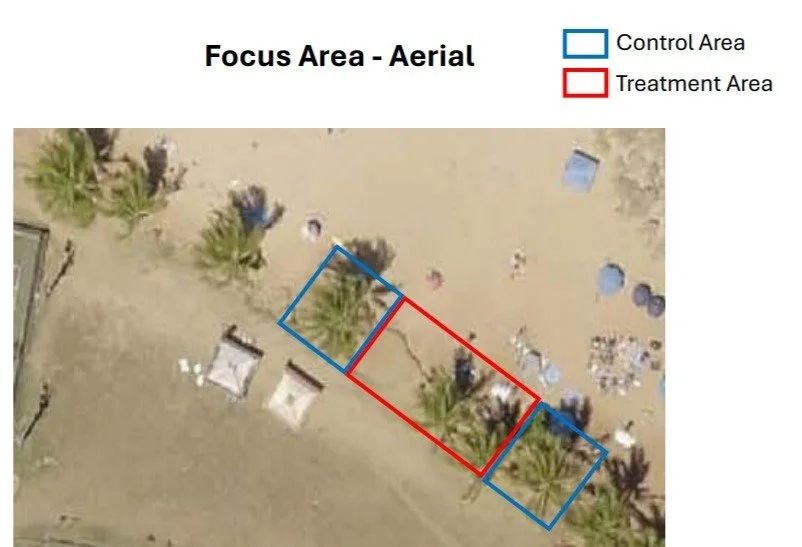
We will be planting native plants along the most eroded sections of shoreline and testing methods for how to do it best.
Because this is a pilot, the project is designed to be monitored, adjusted, and improved over time so we can learn what works best before expanding restoration efforts to additional areas. There will be the treated areas as well as a control so we can document and compare different effects.
How We’re Making it Happen:
The pilot will use materials that have been chosen as the most low impact and sustainable options while being most effective. We will define restoration plots with non-permanent fencing, install educational signage, and test low-impact erosion-control materials that support the site while native plants become established.
We will be testing Ertec Pro-Wattle and S-Fence, which are temporary, reusable erosion-control fencing, to see which is more effective at slowing runoff, catching sediment, and stabilizing the slope. Once plants are established and the slope is more stable, these materials will be removed and reused in future restoration areas. Biodegradable stakes and biodegradable biomat will help hold soil in place while reducing long-term material left on site. Sifted soil amendment will be used to reduce coconut rhinoceros beetle risk.
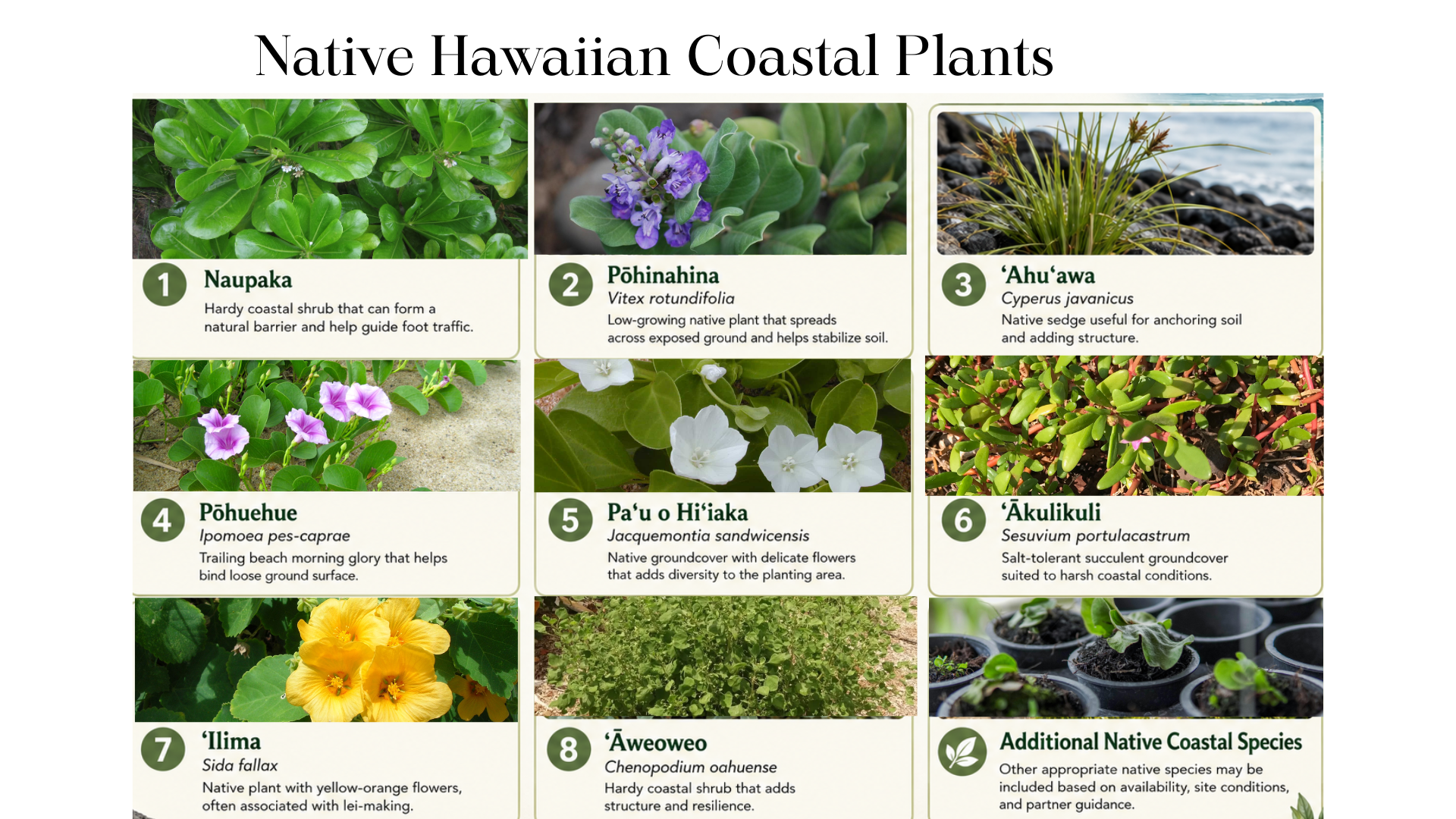
Native Hawaiian coastal plants are central to this project because they help the landscape function better. These plants are adapted to salt, wind, heat, and exposed coastal conditions. As they grow, they can help hold soil in place and provide native habitat.
What We Hope to Learn:
Through this pilot, we hope to learn the best ways to reduce erosion, limit sediment movement toward the reef, improve visitor movement through the park, restore native coastal vegetation, and create a model that can be adapted for other priority areas along this shoreline.
This project is also an opportunity to help residents and visitors understand how everyday choices- where we walk, where we gather, and how we care for planted areas, can affect the health of the reef.
You Can Make a Difference!
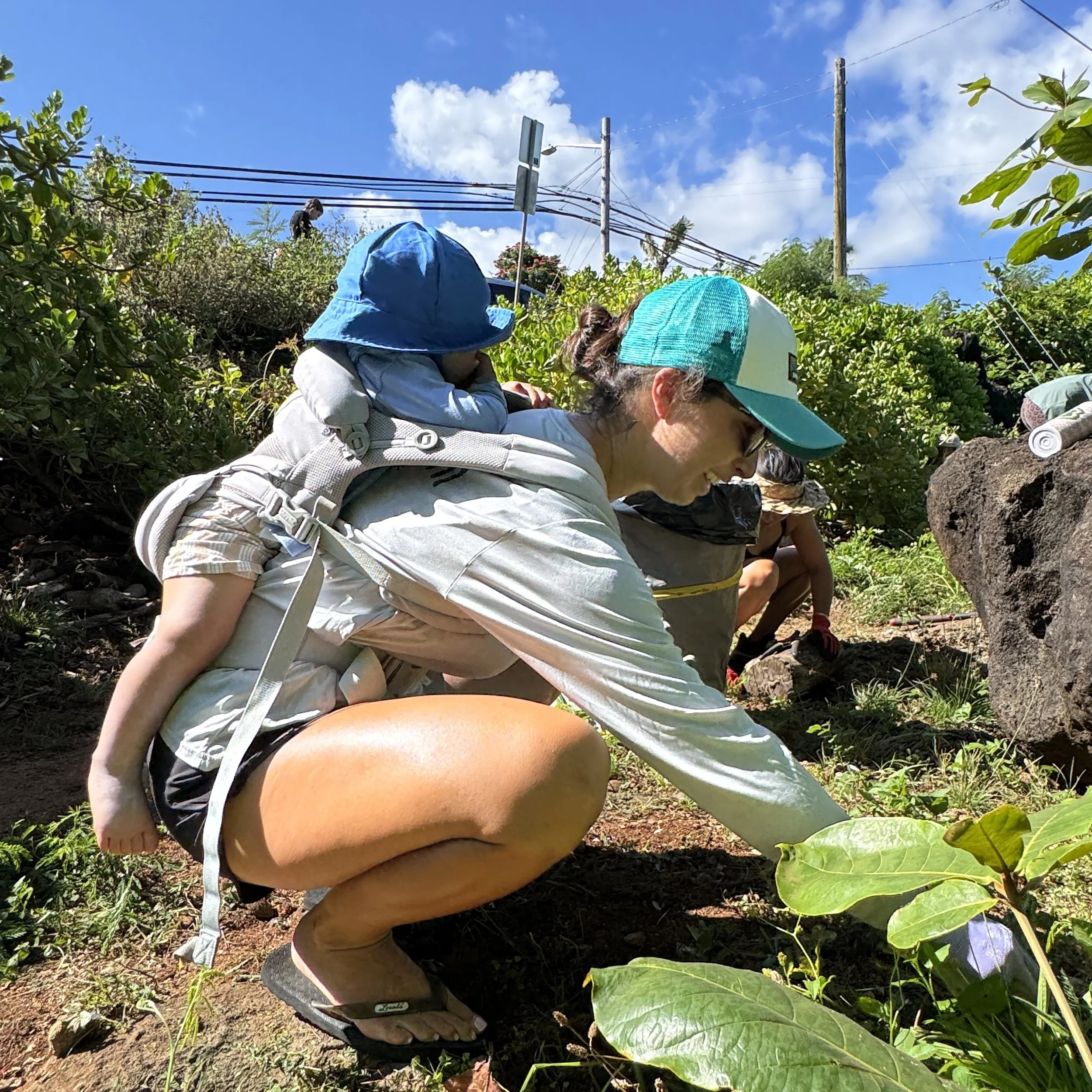
To get involved, join an upcoming Volunteer Day, follow along for workday announcements, or support the project directly through a Donation. With continued monitoring, maintenance, and community support, we hope to expand this pilot into additional restoration areas that strengthen the coastline, protect native habitat, and support the long-term health of Pūpūkea-Waimea.
Mahalo to Our Partners and Community
We are grateful to the partners, advisors, volunteers, and donors helping make this work possible, including City and County partners through Adopt-a-Park, Waimea Valley, North Shore Community Land Trust, funding by NOAA through the Hawaiʻi CZM Program for planning, funding by Sea Grant for implementation, agency partners, technical advisors, community members, and the many volunteers who continue to show up.