
Sea Urchins
Sea urchins are among the most common invertebrates found in Hawaiʻi’s coastal waters and are an important part of a healthy marine ecosystem. They are especially easy to spot around rocky reef habitat, where they can be found attached to submerged surfaces throughout the intertidal and subtidal areas. Here in the Pūpūkea Marine Life Conservation District, they are abundant throughout Kapoʻo, from the shallow Tidepools to the deeper waters of the Cove, as well as along the many rocky surfaces throughout the reef.
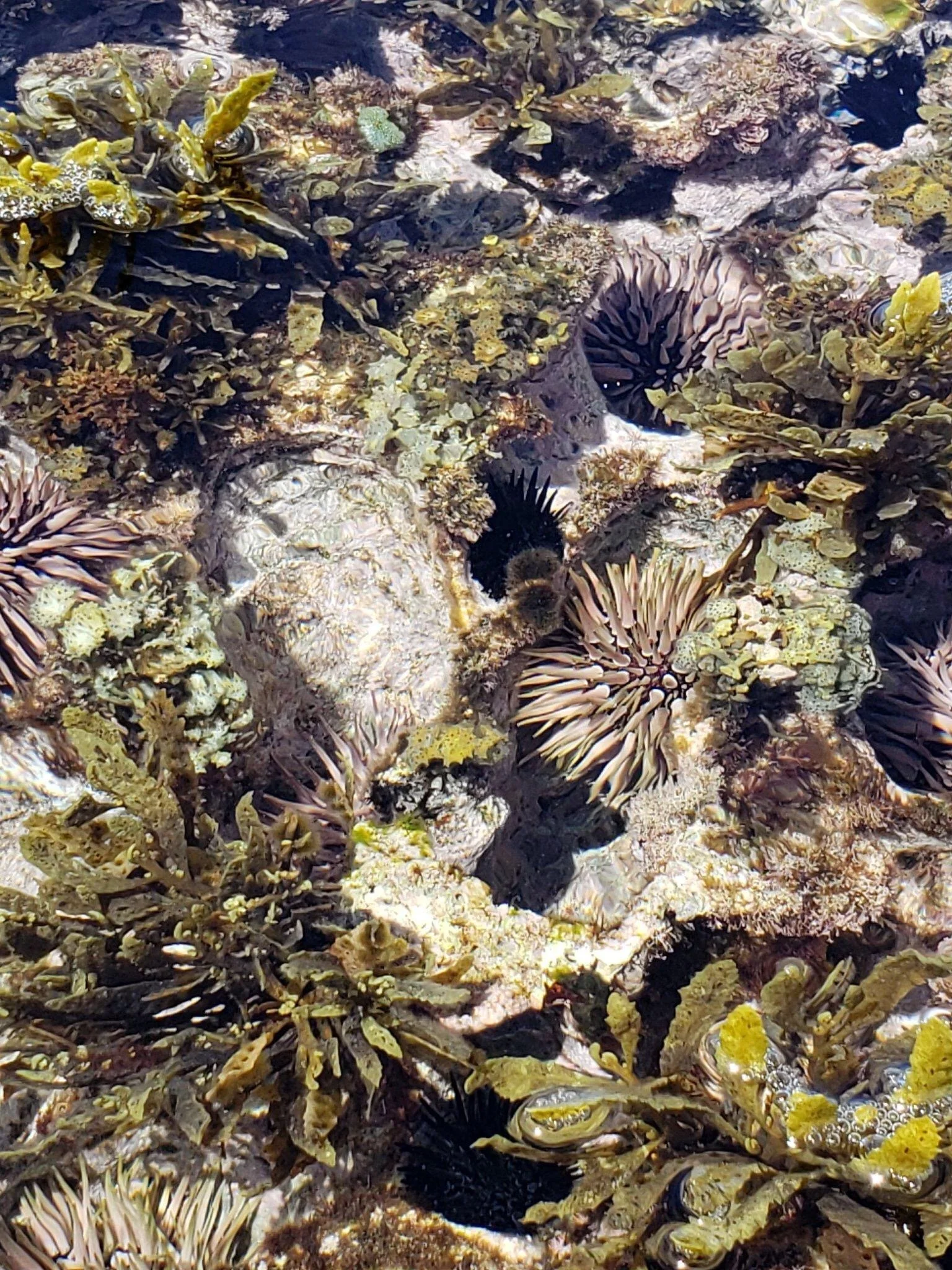
Sea urchins also hold cultural significance for some Hawaiian families and individuals. Wana are revered by certain families as an ʻaumākua, the physical form of ancestors who have passed on. For those who regard wana as an ʻaumākua, they were not eaten. For others, sea urchins were an important traditional food source. Urchins were also used for traditional Hawaiian medicine, as well as carved into ki‘e (images) to be offered at heiau (places of worship) dedicated to fishing.
In Hawaiʻi, sea urchins are commonly known by several Hawaiian names based on the appearance of their spines. Wana have long, slender spines; ʻina have medium-length, slender spines; hāwaʻe have short, slender spines; and hāʻukeʻuke have thick, flattened spines. Here at Kapoʻo, at least eight different species of sea urchins can be found, each with its own characteristics, habitat, and role within the reef ecosystem.

Important Grazers of the Reef
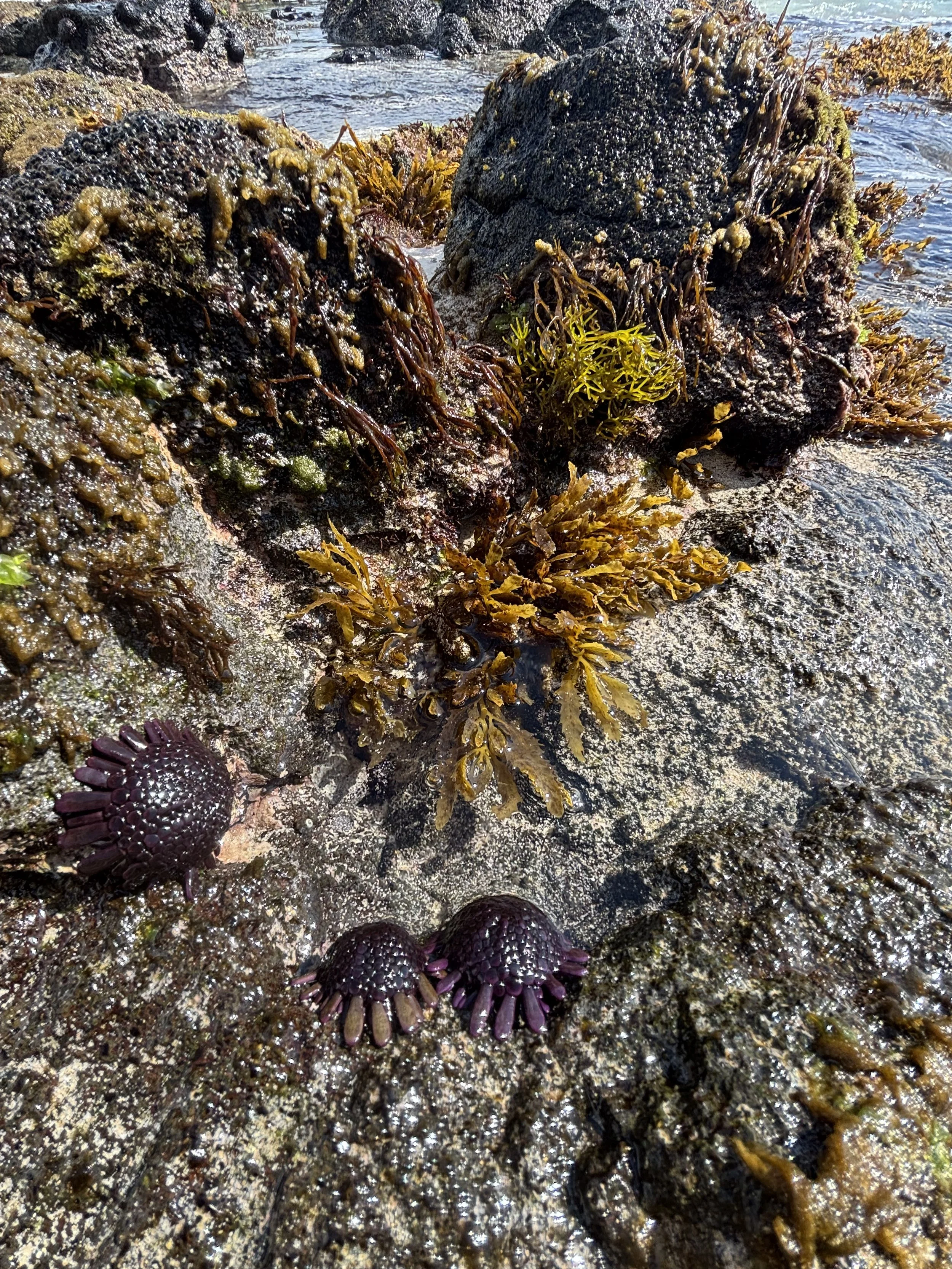
Most species of sea urchins are herbivores, feeding on algae that grows across rocks, reef surfaces, and other parts of the seafloor. By grazing on algae, sea urchins help keep algae from becoming overly abundant and competing with corals and other organisms for space.
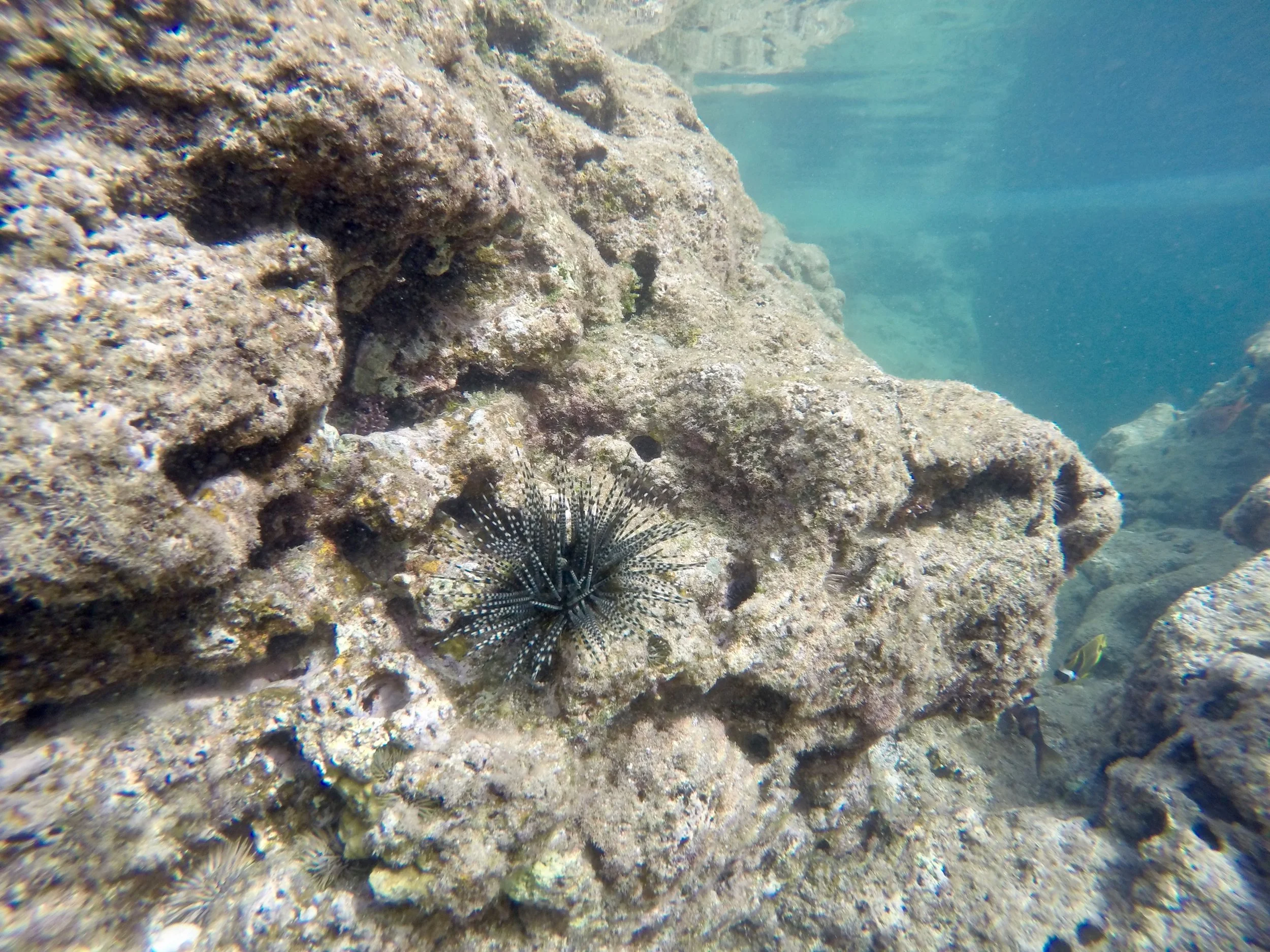
Sea urchins are part of a larger community of reef herbivores that includes fishes such as uhu (parrotfish) and other grazing species. Together, these animals help maintain a balance between algae and corals on the reef.
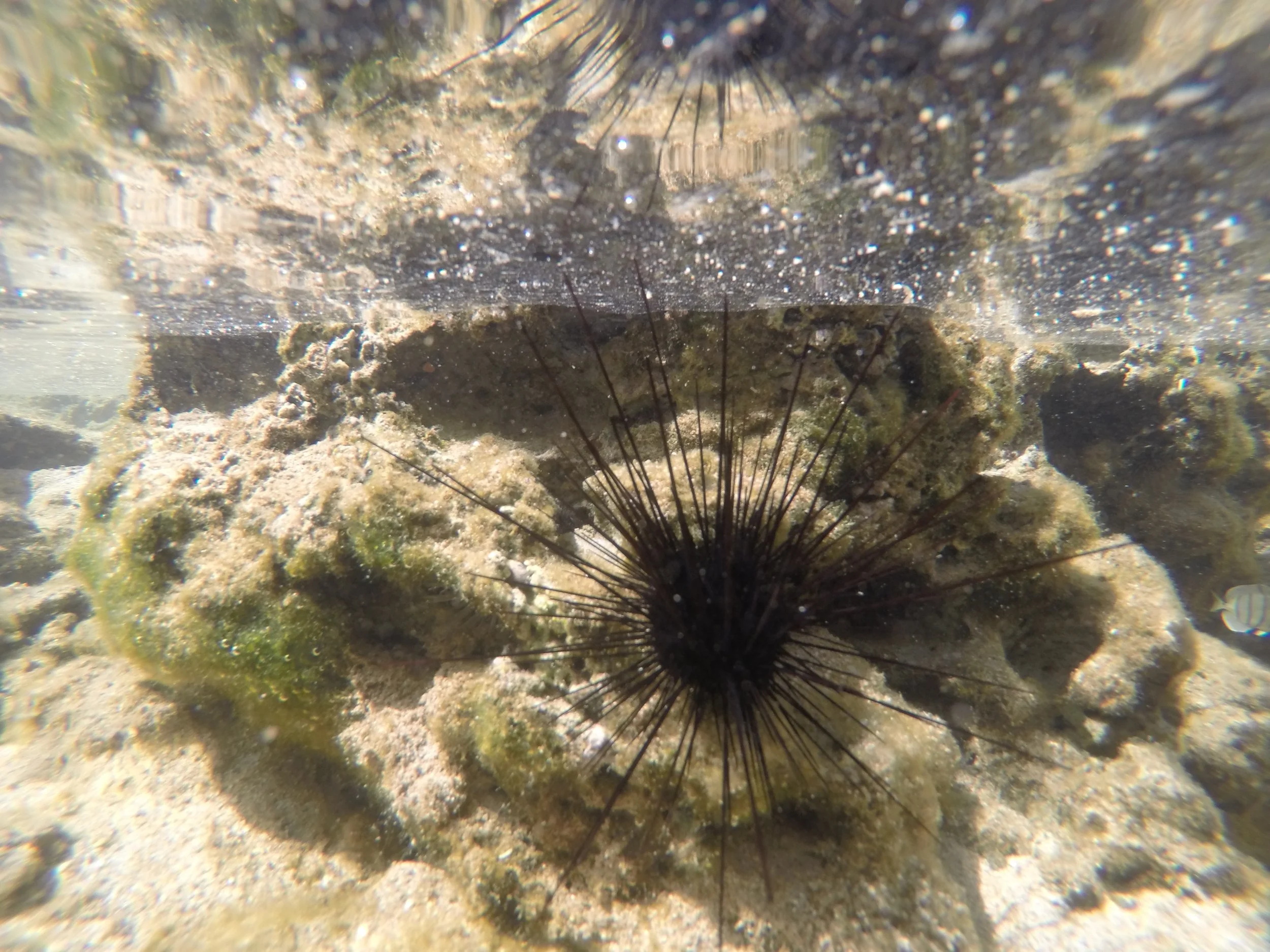
Sea urchins also contribute to bioerosion as they graze. Their feeding can gradually wear away portions of the reef surface, helping move calcium carbonate through the marine environment and contributing to the formation of sediment and sand over time.
In other words, those small urchins living on the rocks are doing important work.
A sea urchin's body is protected by a hard, rounded shell called a test. Covering the test are numerous movable spines. The spines are primarily made of calcium carbonate and are connected to the body by small joints that allow them to move in different directions.
The spines provide protection from predators and help the urchin navigate and interact with its surroundings. They are also surprisingly brittle. When a spine penetrates skin, it can break, leaving small pieces embedded in the wound.
Sea urchins also have tiny tube feet that help them move, attach to surfaces, and interact with their surroundings. Some species have additional small structures called pedicellariae, which function somewhat like tiny pincers and provide additional protection.
Built for Life on the Reef
Because sea urchins often live on rocky surfaces and in shallow water, they can be easy to overlook.
A person walking through a tide pool or climbing onto a submerged rock may place a hand or foot directly on an urchin. Even a brief touch can damage the animal or break its spines.
Within the Pūpūkea Marine Life Conservation District, marine life is protected. That means sea urchins are not to be touched, moved, picked up, or intentionally disturbed.
The best way to observe them is simply to give them space.
When exploring the tide pools or shallow reef, watch where you place your hands and feet, stay on sandy areas whenever possible, and avoid stepping on or touching living organisms. This protects the animals and also protects you from painful puncture wounds.
Look, Don't Touch
If a Sea Urchin Spine Gets Embedded in Your Skin
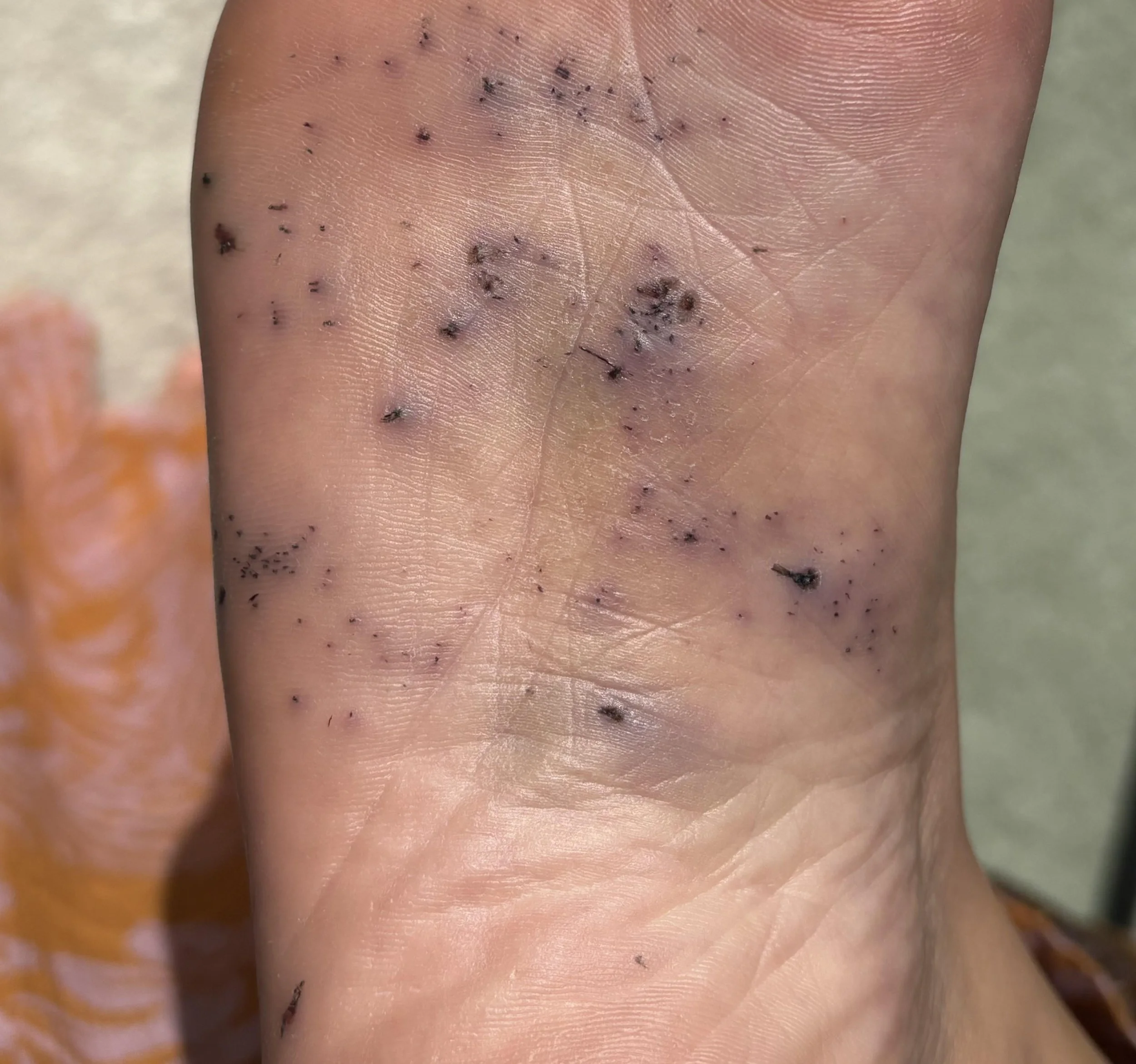
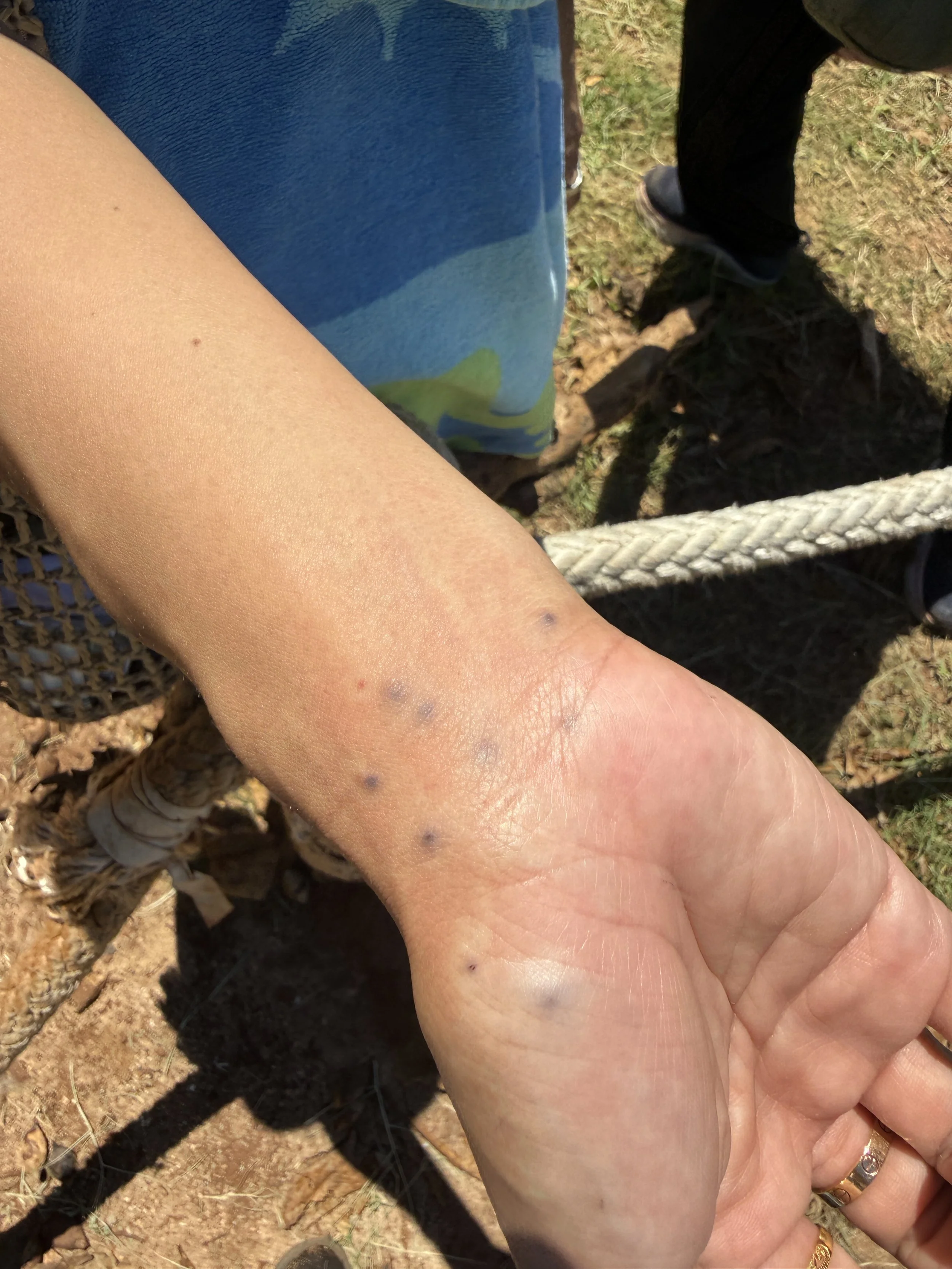
A sea urchin does not “sting” in the same way that a jellyfish does. An injury occurs when one of its sharp spines penetrates the skin after someone steps on or touches the animal. Because sea urchin spines are brittle, they can break and leave small fragments embedded in the skin.
Most sea urchin injuries are caused by the physical penetration of the spine itself. However, some species also have venom associated with their spines or other defensive structures. The banded sea urchin (Echinothrix calamaris), found in Hawaiʻi, is one example. Its shorter secondary spines contain toxin-producing tissue that can cause additional pain and inflammation when they penetrate the skin.
1. Move away from the sea urchin.
Avoid further contact with the animal or surrounding reef.
2. Rinse and gently clean the area.
Do not dig into the skin or aggressively try to break apart a deeply embedded spine.
3. Soak the affected area.
For superficial spine injuries, soaking the area in warm water can help relieve pain. Hot water that is tolerable and will not burn the skin may also help deactivate toxins associated with venomous species.
4. Vinegar may help dissolve superficial spines.
Sea urchin spines are primarily made of calcium carbonate, and vinegar can help dissolve spine fragments that are close to the surface. A vinegar soak or wet vinegar compress may be useful for superficial fragments.
5. Seek medical care when needed.
If a spine is deeply embedded, breaks beneath the skin, is near a joint, or cannot be easily removed, seek medical attention rather than digging it out yourself. Retained spine fragments can cause inflammation, infection, and other complications.
What to Do
Seek medical care if pain, redness, swelling, warmth, or other symptoms worsen or persist, or if there are signs of infection.
Difficulty breathing, significant weakness, or other symptoms affecting the whole body require prompt medical attention.
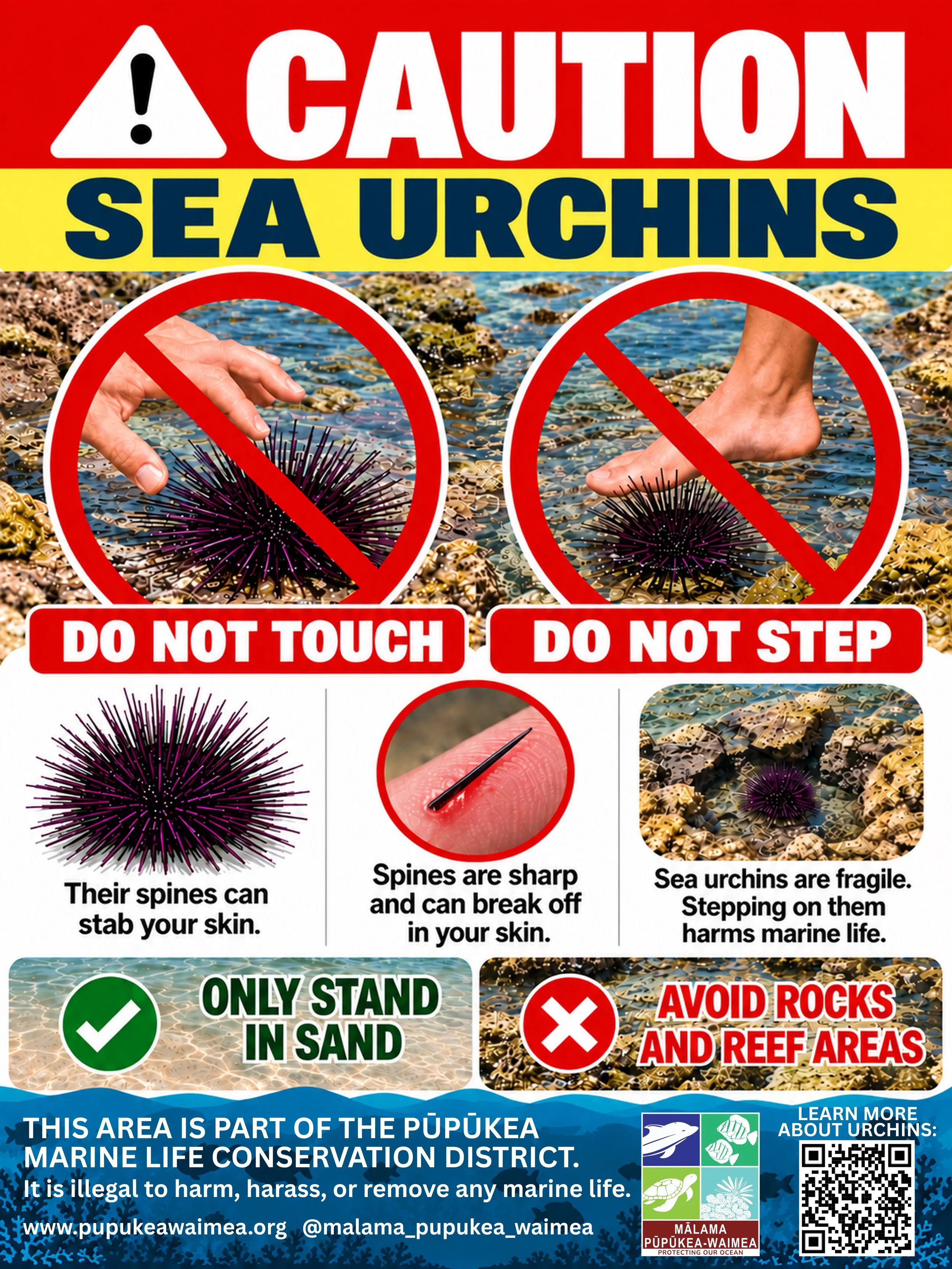
The Safest Approach Is Prevention
The sea urchins living throughout the Pūpūkea Marine Life Conservation District are an important part of a healthy reef. They help keep algae in balance, contribute to the natural cycling of calcium carbonate, and provide an important connection within the larger reef community.
Give them room to do their job and enjoy watching them from a safe distance
Look closely. Step carefully. Don't touch.